The Best New Technology in Hearing Aids: 2013

We've Come a Long Way, Baby
Hearing aid technology improves by leaps and bounds each year. 2013 doesn't disappoint: there are many new hearing aid models available for every level of hearing loss. The best of the new hearing aid designs incorporate a sleek design with power and clarity. Several hearing aids now offer water resistance, and one hearing aid is actually waterproof with an IP 6/8 rating and may be worn while swimming!
Rechargeable batteries, "invisible" hearing aids, and hearing aids which stream music and sound from computers, cell phones, and MP3 players are commonplace in today's hearing aid market. Receiver-in-the-canal options allow hearing aids to remain small, even for severe hearing losses.
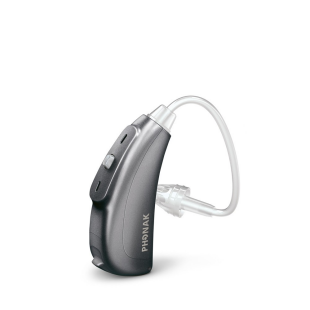
Phonak Bolero Q
New Phonak Models
The Bolero Q (behind the ear model) and Virto Q (in the ear) are new for 2013. The Bolero is available in a water resistant model (the M13). These new hearing aids offer improved hearing in the presence of background noise, a "wind block" technology that protects the microphone from irritating wind noise, and VoiceStream® technology, which allows the hearing aids to automatically detect speech and deliver exceptional clarity to both ears.
Phonak offers several hearing aids with water resistance: the Naida S and the new Nios S H2O model are two of the many options. These hearing aids do not claim they are waterproof but they carry an IP 6/7 rating. This means the hearing aid is able to withstand 30 minutes under 1 meter of water with no damage to the electronics. Phonak claims these hearing aids can be worn in the bath!
The Nios Micro S is targeted to the pediatric population (mild to severe hearing losses) and the Naida comes in two models - the SP for moderately severe to profound hearing losses, and the UP for severe to profound hearing losses.
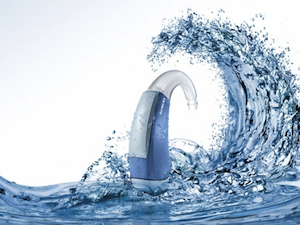
Siemens Aquaris: A Completely Waterproof Hearing Aid
The brand new Siemens Aquaris is entirely waterproof.The hearing aid is completely sealed and comes with a custom earmold designed specifically for swimming. This product gives hearing aid users complete freedom for an active lifestyle: swimming, hiking in the rain, and sailing are not a problem with the Aquaris. This hearing aid is a high-tech digital hearing aid, offering 12 or 16 digital channels (depending on the model). The Siemens Aquaris is the only hearing aid to hold an IP 6/8 rating in the current market, which means the hearing aid may be submerged to a depth greater than 1m and is completely waterproof.
Siemens Aquaris
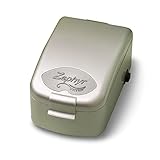
Great Hearing Aid Accessories

Starkey's Invisible Hearing Aids
The Invisible Hearing Aid
There are three new hearing aid products for 2012 which offer the ultimate in discreet hearing aid technology: the Invisible-In-the-Canal (IIC) hearing aid, the AMP hearing aid (designed for first time hearing aid wearers), and the mini Receiver-in-the-Canal hearing aid (RIC) designed for many levels of hearing loss.
The IIC is entirely invisible unless a hearing professional looks inside the ear canal, as the tiny hearing instrument sits entirely within the ear canal. Unlike the "Lyric hearing aid," these hearing aids are modern, digital aids that are programmed by a professional and are not disposable. In addition, the IIC is removed on a daily basis to prevent any ear infections and to allow for air circulation. The "Soundlens" hearing aid (another name for the IIC technology) will fit mild to moderately severe hearing losses and is custom-fitted to the individual's ear canal to provide a secure fit.
The AMP also fits entirely within the ear canal and is completely invisible unless someone peers into the ear with an otoscope. The AMP is not a true digital hearing aid, but acts like a hearing amplifier and is for the person who is not "quite ready" for a hearing aid. The AMP is ready to wear after one visit with the hearing professional. This sound amplifier has been designed for easy removal from the ear canal and is aimed at the mature population of people with hearing loss.
The RIC is not truly invisible, but is very hard to detect as it features a very tiny behind-the-ear (BTE) unit and slim tube technology with the receiver in the ear canal. The RIC technology is available in several Starkey brands, including the Wi series, the X Series, and the S Series IQ. The RIC will accommodate a broader range of hearing loss, from mild to severe.
Other New Hearing Aids for 2013
ReSound Verso™
The ReSound Verso is a new hearing aid for the 2013 market that offers natural sound quality. These hearing aids have a new technology called "binaural fusion," which allows the ears to work together to isolate important speech sounds from background noise. These hearing aids have a feedback management program to reduce annoying whistling sounds, and are able to connect to microphones, the television, or a mobile phone.
Starkey 3 Series
The Starkey 3 Series contains top-of-the-line hearing aid models. These hearing aids have a feedback eliminator program to prevent whistling, a Voice IQ program to detect and enhance speech sounds, are water resistant, and can translate very high frequency sounds into lower frequencies, which enhances hearing for those who have a steeply sloping, high frequency hearing loss. This series is available in a behind the ear model and in a receiver in the canal model (RIC).
Siemens Ace
The Siemens Ace is an incredibly tiny behind-the-ear style hearing aid. This hearing aid is water resistant (with an IP 6/7 rating) and has the added benefit of tinnitus control. The tinnitus program will produce an independent noise, which suppresses tinnitus for many who are afflicted with the disorder.

Hearing Aid Innovations: Entirely Invisible Options
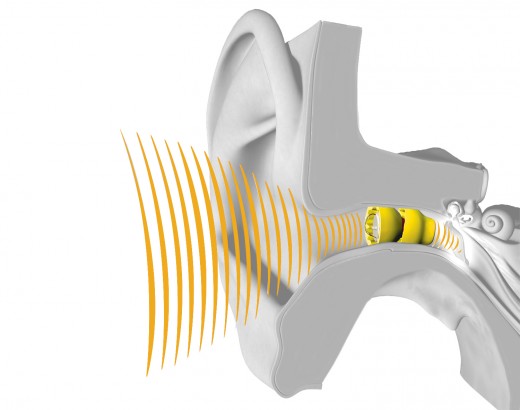
There are two new alternatives to traditional hearing aids on the market. The Lyric hearing aid is entirely invisible, is worn 24 hours per day, and requires no maintenance for up to 4 months at a time. The Lyric hearing aid is placed by a licensed audiologist or ENT doctor, is shower proof, and requires no surgery for placement. The negative of the Lyric hearing aid is the price: a one year subscription costs approximately $3,000.
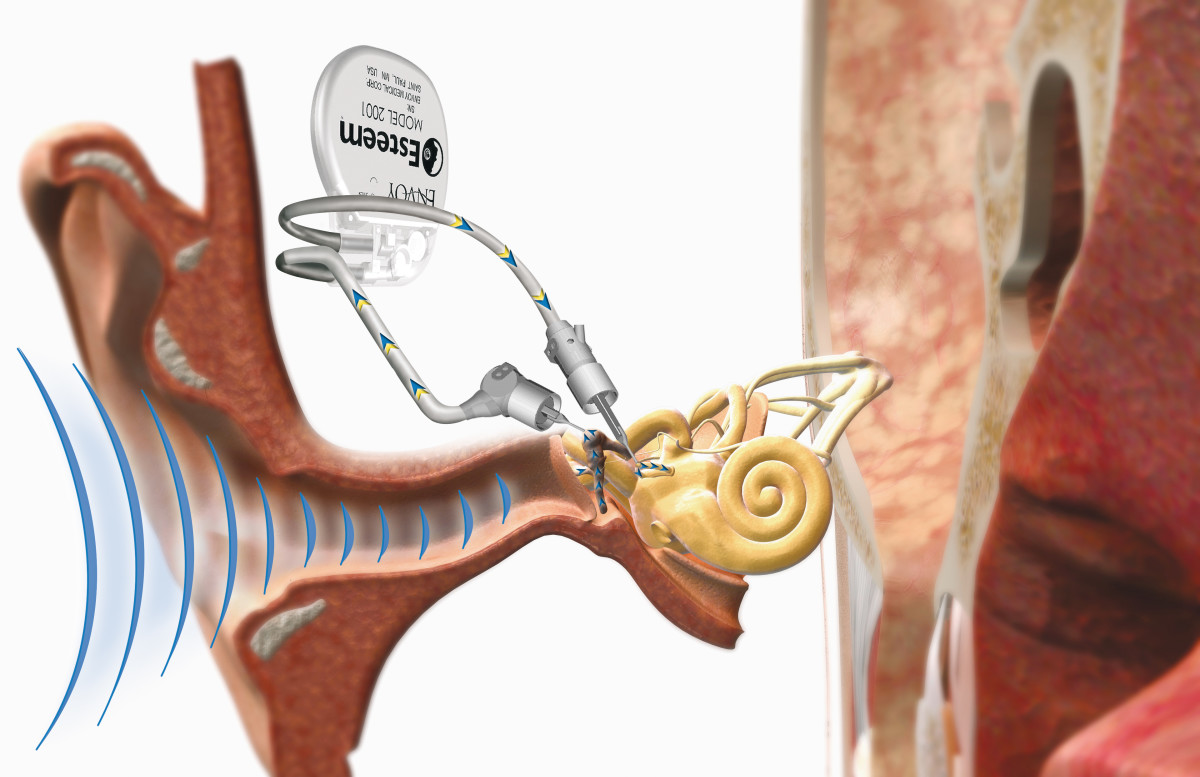
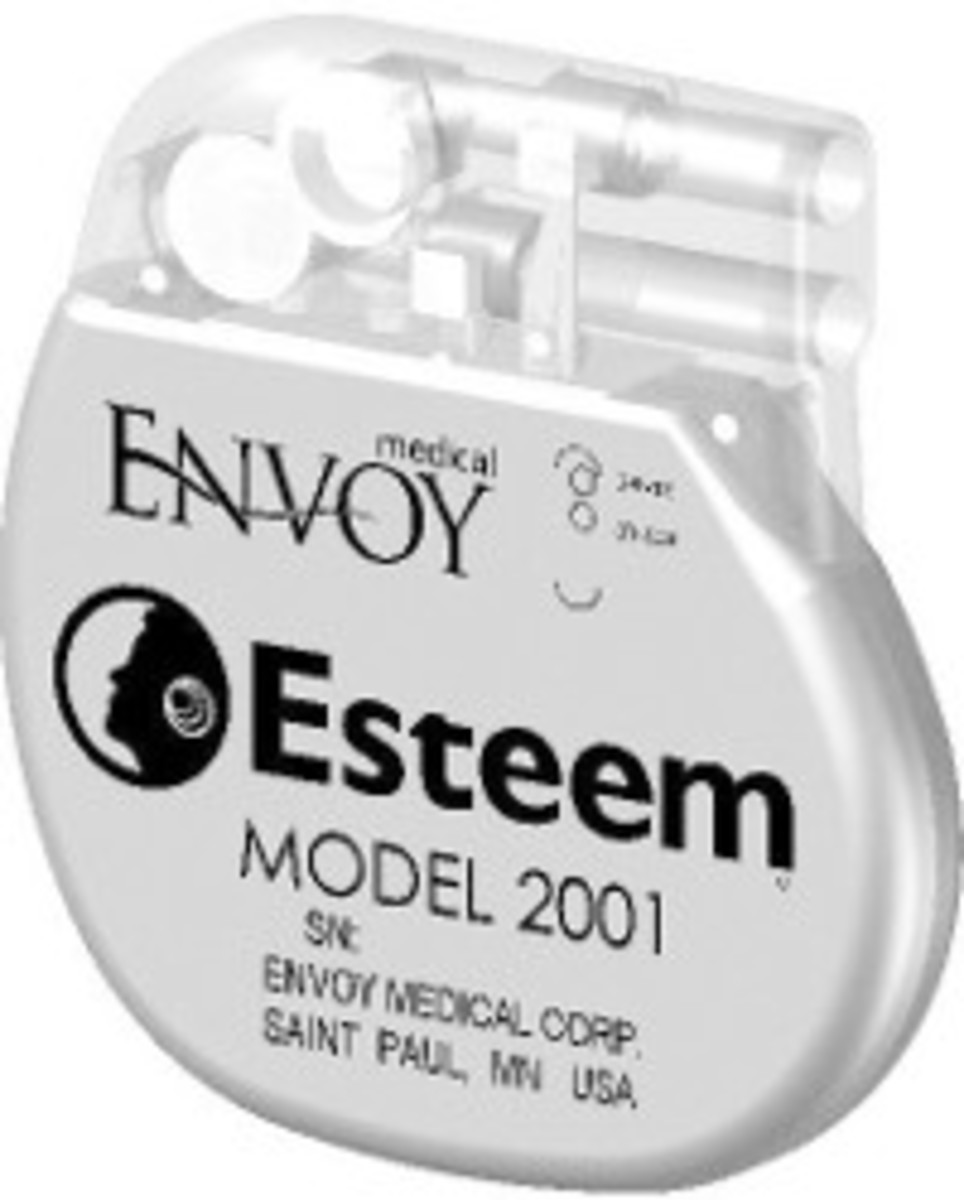
Another option is the surgically implanted Envoy Esteem middle ear implant system. The Esteem is 100% invisible, and is entirely waterproof. The Esteem hearing implant requires no maintenance and is entirely implanted, with no external components. Recipients report a very natural sound from the Envoy Esteem, as it uses the ear's natural components to amplify sound. The negative of the Envoy Esteem is the required surgeries: the first surgery is to place the Esteem hearing implant, and a minor outpatient procedure is required every 4-9 years to replace the battery.