Teach Your Child to Garden: Child Gardening to Improve Childhood Nutrition

Children with a Raised Garden Bed
Growing Healthy Kids: One Garden at a Time
The growing incidence of childhood obesity and the use of pre-packaged, processed food are threats to children's health. Many children do not have access to fresh, wholesome produce, and may not even be able to identify the names of various fruits and vegetables.
Creating a children's garden is an easy way to help kids learn about healthy food. Children who live in urban environments can plant small container gardens, and families with a yard can easily set aside a small space for growing a few easy-to-grow fruits and vegetables. When children plant a seed, help it grow, and then harvest the fruit of their labor, they are more likely to eat the fruit or vegetable. Gardening creates a healthy relationship with food.
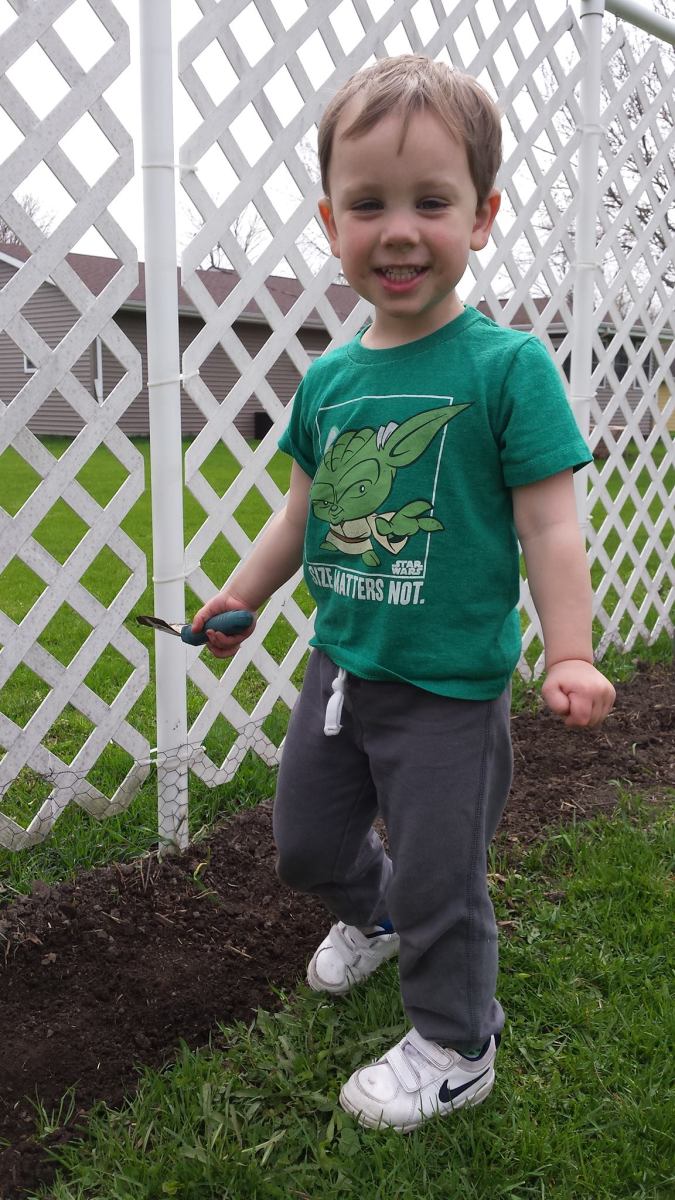
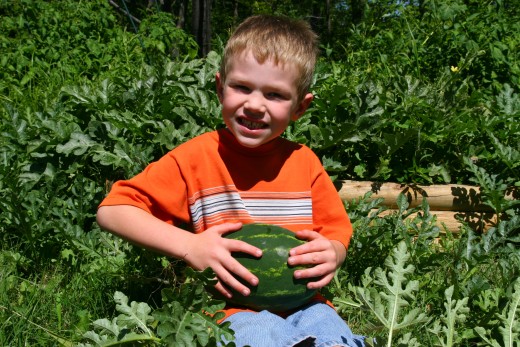
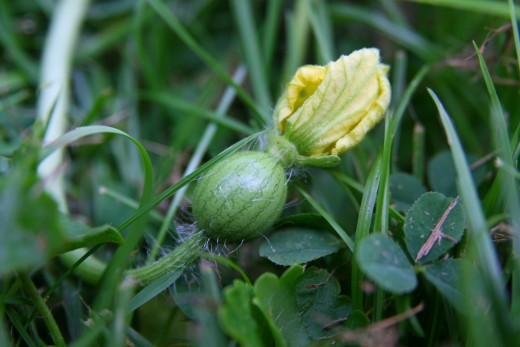
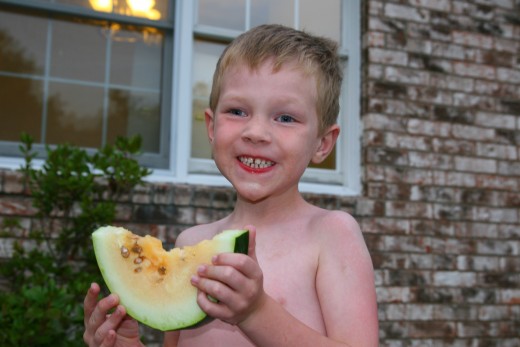
It is never too early to start gardening with kids: even babies will delight in watching plants grow, and toddlers as young as one year old can help to pat dirt over seeds. By the time my youngest son was three, he had planted, grown, and harvested his own watermelons! The benefits of child gardening include:
- Organic, pesticide-free food.
- Developing an understanding of botany.
- Creating a healthy relationship with fruits and vegetables.
- An increased willingness to try new types of food.
- An understanding of delayed gratification: time and effort yield a reward over the long term.
- A sense of nurturing and responsibility: the garden must be tended and watered frequently.
Grow Potatoes in a Container
Finding Space: Creating Planters or Raised Beds
Families who live in apartments or condominiums will have the best luck with container gardening. Strawberries, peppers, potatoes, and lettuce all lend themselves well to small-space gardens. To grow strawberries, simply purchase a strawberry pot, fill with quality soil, and plant the seeds in the exposed pockets on the container. A small patio or sunny window is all that is required to watch the strawberries grow. Potatoes can be grown vertically, by planting seed potatoes in a tall, narrow planter and adding more soil as the potatoes sprout - see the video to the right for a full explanation of this process.
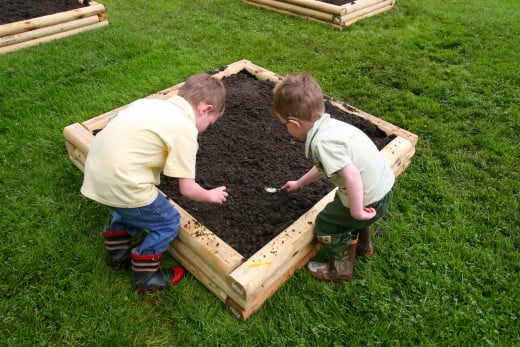
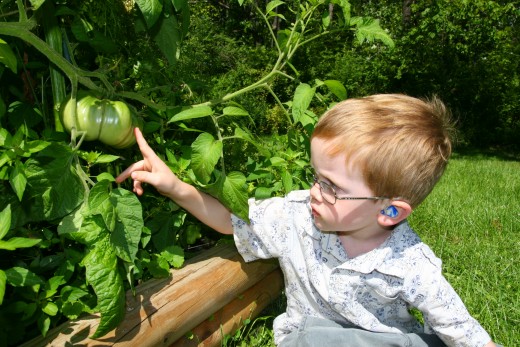
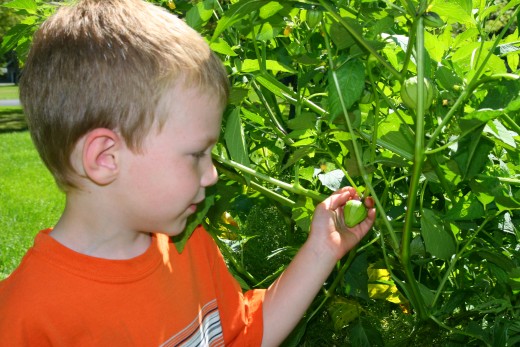
For families with access to a yard, the options are almost endless. Raised beds are the best for growing vegetables. Forget about expensive kits: we created 4' x 4' raised beds out of inexpensive landscaping timbers at our local hardware store. We simply cut each 8' long timber in half, and arranged the timbers into squares, using long deck nails to secure each layer to the next. Our beds were three timbers high, which was deep enough for the watermelons, tomatillos, tomatoes, and herbs we grew.
For raised beds, it is more economical to purchase soil or compost in bulk, rather than in small bags from a home improvement or gardening store. We purchased mushroom compost and soil from a local garden center in bulk, and our boys had a marvelous time loading the dirt into a wheelbarrow to take it to the backyard garden beds!
Great Plants for Kids to Grow
Consider the Following Plants for a Child's Garden:
- Carrots
- Lettuce
- Watermelon
- Tomatoes
- Mint
- Strawberries
- Potatoes
Grow Purple Carrots!

Choose the Right Plants: Seed Selection
Determine which gardening "zone" you live in: the types of vegetables you plant will vary depending on the natural environment you live in. Watermelons, for example, are native to the desert, and will not thrive in a cold, wet environment. Lettuce grows well in cool temperatures, but often struggles in hot, humid environments.
Seed packets list the suitable zones on the back cover - consult this before purchasing seeds! With that said, we live in Zone 5 (cold winters) and were able to grow short-season watermelons because we have hot summers.
While fruits and vegetables may be grown from small starter plants, we always prefer to grow things from seed. When plants are grown from seed, the children get to see the entire process, from first tiny sprout to plants laden with fruit. Seeds also offer more variety: you can grow orange watermelons, purple carrots, and blue potatoes. Kids will get a kick out of growing something that can't be found in grocery stores!
For those living in colder environments, growing plants from seed may require starting plants indoors - our last frost date is generally around Memorial Day weekend (the end of May) and we will start plants in small peat pots in early April, to get a head start on the growing season.
Since watermelons do not transplant well, we chose fast-growing varieties (Sugar Baby and Orange Tendersweet) and planted them directly into the ground.
Watering the Garden
Kid's Gardening Tools
I am not a big fan of expensive, silly tools for gardening. Since we grew our plants from seed, our boys simply used big kitchen spoons and their hands. Forget items like gardening gloves, since they prevent a child from feeling the texture of the soil and impede dexterity. The tools that we used on a regular basis were:
- Rain boots or galoshes. With a muddy yard and all the dirt and water that gardening entails, our boys wore their rain boots nearly every single day in the spring and early summer!
- A digging tool: this could be a large kitchen spoon or a small trowel.
- Garden markers: we made our markers out of small craft sticks. Write the name of the plant and stick the marker into the dirt - this helps to identify those tiny seedlings when they first come up! Another option is to cut the picture from the front of the seed packet and paste it onto a marker (this is especially helpful for young children who cannot read).
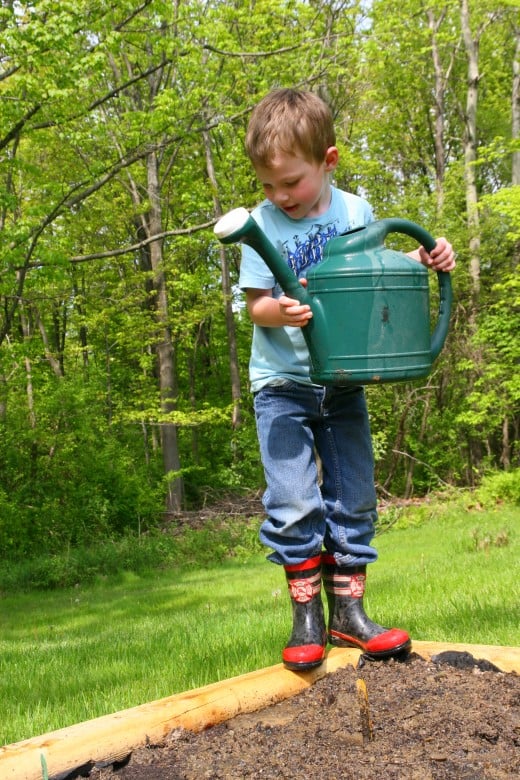
- A watering can. Both of our boys loved watering their small gardens to help their plants grow - the gardens were entirely theirs, and they had a lot of pride in their little plots!
If you want to add a little extra fun to the gardening experience, a small, child-sized wheelbarrow is enormously fun. We didn't have one for our gardens last year, but a wheelbarrow can come in handy for both filling the gardens with dirt and for hauling in the harvest at the end of the season!
In the Garden: From Seed to Fruit!
Click thumbnail to view full-size


Harvesting Fruits and Vegetables
Mark the day the seeds were planted on a calendar. Most seed packets will indicate the approximate number of days from planting to harvest. Have the kids count along with you as the days pass: this helps young children with early math concepts and allows older kids to estimate when their fruits or vegetables will be ready to eat.
When the plants are ready, allow the child to harvest their own crops. Our boys picked the tomatoes and tomatillos themselves, though cutting the watermelons off the vine took adult assistance. If possible, allow the child to eat their home-grown produce right away - there is nothing like eating food fresh from the ground (after washing, of course)!
A Poll on Child Gardening
What Type of Garden Does Your Child Grow?
Other Great Kid's Garden Ideas
- Planting Your Own Children's Garden
Planting a children's garden can be both fun and educational. Use your five senses to create magic in your own backyard.